How Much Would a Pawn Shop Give for a Laptop? Check 2026 Value
How Much Would a Pawn Shop Give for a Laptop? A pawn shop may offer $50 to $500 for a laptop. The exact amount depends on its brand, age, condition, processor, RAM, storage, and demand. To get a fair offer, check similar laptop prices before visiting the pawn shop.
This guide explains what affects the price and how to get a fair pawn offer.
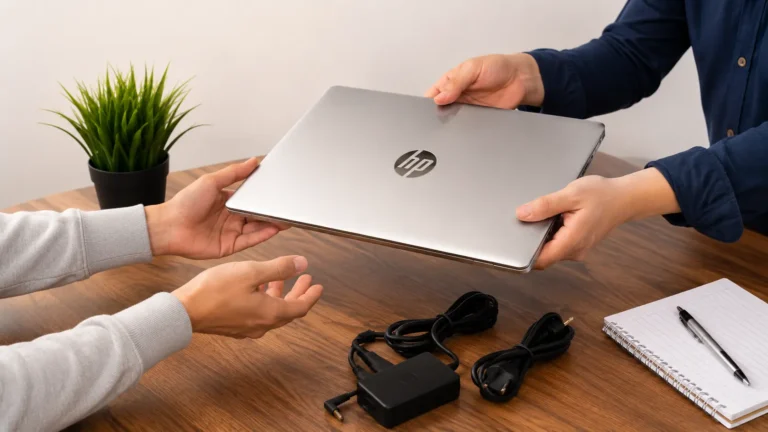
If you’re asking, How Much Would a Pawn Shop Give for a Laptop?, you’re probably trying to find out how much cash you can get before taking it to a shop. The offer can differ greatly from the laptop’s original price. Pawn shops usually check the laptop’s brand, age, condition, processor, RAM, storage, battery, and current demand. They may also consider the charger and other original items. A newer laptop in good working condition can bring a better offer, while an older or damaged laptop may be worth much less.
If you want to learn more about the process, you can also learn how to pawn a laptop.
How Much Would a Pawn Shop Give for a Laptop? Average Pawn Prices
There is no fixed average price for a pawned laptop because every device is different. A basic used laptop may receive a small offer, while a newer premium or gaming laptop can be worth several hundred dollars.
If your laptop’s current used market value is $600, a possible pawn loan could be around $150 to $360 when using a 25% to 60% range. The actual offer depends on the shop’s assessment, condition, demand, and resale potential.
According to Experian’s guide to pawnshop loans, pawnshops may typically offer around 25% to 60% of an item’s expected resale value.
So, How Much Would a Pawn Shop Give for a Laptop depends mainly on the laptop’s current used value rather than its original retail price.
| Estimated Used Market Value | Possible Pawn Loan Range |
|---|
| $200 | $50 to $120 |
| $400 | $100 to $240 |
| $600 | $150 to $360 |
| $800 | $200 to $480 |
| $1,000 | $250 to $600 |
The actual amount depends on the laptop and the shop’s assessment.
What Is a Fair Pawn Offer for a Laptop?
A fair offer is one that reflects the laptop’s current used value while leaving the pawn shop enough room to cover its costs and risk.
Do not compare the offer with the laptop’s original retail price. Instead, check what the same model is selling for today in similar condition.
For example, if you paid $1,000 for a laptop several years ago but similar used models now sell for $400, the pawn shop will usually base its offer closer to that $400 resale value.
It is also worth getting more than one quote. Different pawn shops may value the same laptop differently because their customers, inventory needs, and local demand are not the same. Comparing offers can help you avoid accepting the first low offer.
Simple Pawn Laptop Value Formula
Estimated Pawn Loan = Current Used Resale Value × 25% to 60%
Examples:
$200 resale value → $50 to $120
$400 resale value → $100 to $240
$600 resale value → $150 to $360
$1,000 resale value → $250 to $600
Why Pawn Shops Pay Less Than the Laptop’s Retail Price
A pawn shop is taking a risk when it gives you money for a laptop. The shop must be able to recover its money if you do not repay the loan and the laptop has to be sold.
The shop also needs to consider storage, testing, selling costs, possible price drops, and the time needed to find a buyer. That is why the amount offered is normally below the laptop’s expected resale price.
How Pawn Shops Calculate Laptop Value
A pawnbroker normally looks at several things before making an offer.
- Current used market price: The shop checks what similar laptops can realistically sell for.
- Brand and model: Some models have stronger demand than others.
- Condition: A clean, fully working laptop is easier to resell.
- Specifications: The processor, RAM, storage, graphics, and display can affect demand.
- Age: Newer technology generally has better resale potential.
- Accessories: A working charger and useful original accessories can help.
- Local demand: A shop may offer more when it knows similar laptops sell quickly.
Pawn shops generally focus on what the item could sell for in the secondhand market rather than its original price.
Pawn Loan vs. Selling Your Laptop
Pawning and selling are not the same thing.
With a pawn loan, you leave the laptop with the shop as collateral and receive money. If you repay the loan plus the required interest and fees within the agreed period, you can get the laptop back.
With an outright sale, you sell the laptop to the shop. You receive cash, but the shop owns the laptop, and you do not get it back.
If pawning does not seem right for you, you can also learn how to sell a laptop and compare your options.
A pawn loan can make sense if you need short-term cash but want the option to reclaim your laptop. Selling may make more sense if you no longer need the laptop.
What Factors Affect a Laptop’s Pawn Value?
The value of a laptop can change a lot based on its exact model and condition. Two laptops that look similar may receive very different offers.
Brand and Model
Brand matters because buyers often search for specific models. A popular business laptop, premium laptop, or gaming model may have stronger resale demand than an unknown or outdated model.
The exact model number is important too. A newer version with better hardware may be worth much more than an older version from the same brand.
Age and Condition
Age is one of the biggest factors for electronics because laptop hardware becomes outdated quickly.
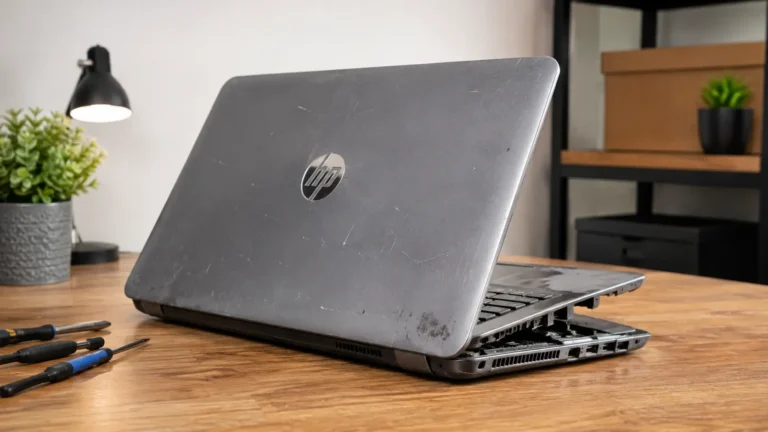
A newer laptop with little wear will normally be easier for a pawn shop to resell. Scratches, broken hinges, damaged ports, cracked screens, missing keys, or overheating can reduce the offer.
If your laptop has serious damage, you may also want to learn how to sell a broken laptop.
A laptop that works properly and looks clean gives the shop more confidence that it can resell the device.
Processor, RAM, and Storage
The internal hardware has a direct effect on what buyers are willing to pay.
A laptop with a newer processor, 16 GB of RAM, and a fast SSD can attract more buyers than an older machine with 4 GB of RAM and a slow hard drive.
If you are unsure about RAM, you can also check whether an 8 GB RAM laptop is good for your needs.
Storage capacity also matters. A 1 TB SSD may make a laptop more attractive than a model with a small storage drive.
For gaming laptops, the graphics card is especially important. You can also learn more about whether you can change a laptop graphics card.
Battery Health and Screen Condition
Battery condition matters because buyers expect a laptop to work away from a charger.
A weak battery may reduce the offer because the next buyer could need to replace it.
The screen is also important. Dead pixels, bright spots, cracks, flickering, or display problems can lower the value. A clean screen with normal brightness is much easier to sell.
Charger and Original Accessories
Always bring the correct charger if you have it.
A laptop without its charger can be harder for a shop to test and sell. The buyer may also need to purchase a replacement charger.
Original accessories, packaging, and other useful items may not add a large amount by themselves, but they can make the laptop easier to present and sell.
Current Market Demand
Demand can change the offer even when two laptops have similar specifications.
If buyers in your area are actively looking for a certain laptop, the shop may be more interested in taking it. If similar laptops sit unsold for a long time, the shop may offer less.
Electronics also lose value as newer models enter the market. Current market prices therefore matter more than what the laptop originally cost.
How Much Do Pawn Shops Pay for Different Laptops?
The type of laptop makes a major difference. There is no universal price for every category, so the ranges below should be treated as general examples rather than guaranteed offers.
Budget and Basic Laptops
Basic laptops used for web browsing, schoolwork, documents, and simple tasks usually have lower pawn values.
Older entry-level processors, small storage drives, low RAM, and worn batteries can reduce the offer.
A newer budget laptop in excellent condition can still receive a reasonable offer if there is demand for that model.
Mid-Range Laptops
Mid-range laptops often have better resale potential because they can handle everyday work, school, entertainment, and light editing.
A newer model with a good processor, 8 GB or 16 GB of RAM, and an SSD may attract more interest.
The exact model and current used price still matter more than simply calling a laptop mid-range.
Premium and Business Laptops
Premium and business laptops can hold more value when they have strong build quality, useful features, and good condition.
Models designed for professional users may have better keyboards, displays, security features, and build quality.
However, a high original price does not guarantee a high pawn offer. The shop still needs to know whether customers are willing to buy the laptop at its current used price.
Older and Used Laptops
Older laptops usually receive lower offers because technology changes quickly.
A laptop that was powerful several years ago may now compete with newer models that offer better performance and battery life.
If an older laptop has a damaged battery, cracked screen, missing charger, or other problems, the offer may become very low.
How Much Can You Get for a Gaming Laptop?
Gaming laptops can sometimes receive better offers than basic laptops because they contain stronger processors, dedicated graphics, faster displays, and other features that buyers want.
If you’re wondering How Much Would a Pawn Shop Give for a Laptop when the device is designed for gaming, the answer can be higher than for a basic laptop, but the exact offer still depends on its resale value.
However, gaming laptops also lose value as new graphics cards and processors appear.
Entry-Level Gaming Laptops
Entry-level gaming laptops can be attractive to buyers who want to play popular games without spending a large amount of money.
A clean laptop with a working dedicated graphics card, SSD, and decent battery can receive a better offer than a basic office laptop.
Mid-Range Gaming Laptops
Mid-range gaming laptops often have stronger resale potential because they can handle gaming and other demanding tasks.
The exact graphics card, processor, RAM, cooling system, display refresh rate, and condition can all affect the offer.
High-End Gaming Laptops
High-end gaming laptops can be worth more, especially when they have newer hardware and remain in good condition.
However, do not assume that a $2,000 gaming laptop will receive a $1,000 pawn offer. The shop bases its decision on expected resale value and risk, not your original purchase price.
What Gaming Features Increase Value?
These features can make a gaming laptop more attractive:
- A newer dedicated graphics card
- A strong modern processor
- 16 GB or more RAM
- Fast SSD storage
- A high refresh rate display
- Good cooling performance
- A clean and undamaged body
- A healthy battery
- The original charger
A gaming laptop with working hardware and strong current demand is more likely to receive a better offer.
What Happens When You Pawn a Laptop?
Note: Pawn loan rules, fees, interest rates, identification requirements, and repayment periods vary by state and country. The examples in this guide are general estimates, not a guaranteed offer from a specific pawn shop.
The process is usually simple. You bring the laptop to the shop, the staff checks it, and the shop gives you an offer if it wants the device as collateral.
A pawn loan is secured by the item you leave with the shop. The loan agreement should explain the amount borrowed, interest, fees, and repayment deadline.
What to Bring to the Pawn Shop
Bring these items when possible:
- Laptop
- Original charger
- Government-issued photo ID
- Proof of ownership if available
- Original box and accessories
- Any useful documentation
Requirements vary by location and shop, so it is smart to contact the shop before visiting.
How the Laptop Inspection Works
The shop may turn the laptop on and test basic functions.
The staff can check the screen, keyboard, trackpad, ports, charger, battery, storage, operating system, and general condition.
They may also check the serial number and other identifying information. Pawn shops have reasons to verify ownership and avoid dealing with stolen property.
How the Offer and Loan Terms Work
If the shop accepts your laptop, it will tell you how much it is willing to lend.
Before accepting, ask about:
- Total amount you must repay.
- Interest rate.
- Extra fees.
- Repayment deadline.
- Renewal or extension options.
- What happens if you miss the deadline.
Do not focus only on the cash you receive. The total repayment cost is equally important.
What Happens If You Do Not Repay the Loan?
If you do not repay the pawn loan according to the agreement, the shop can generally keep and sell the collateral under the rules that apply in your location.
The exact deadline and process vary by state or country. Some agreements allow renewal or extension, while others have different rules.
Because rules differ by location, read the agreement carefully before accepting the loan.
When Should You Avoid Pawning Your Laptop?
Pawning can provide quick cash, but it is not always the best choice.
When the Offer Is Too Low
If the offer is far below what similar laptops are selling for, do not feel pressured to accept it.
Check current used prices and ask another pawn shop for a quote
Remember that a pawn loan is only a fraction of the shop’s expected resale value, so it will not normally match the full used market price.
When Your Laptop Contains Important Personal Data
Never hand over a laptop that still contains private files, saved passwords, photos, financial information, or work documents.
Back up important files first, sign out of your accounts, and securely reset the laptop before giving it to a shop.
A recent laptop pawn guide also recommends backing up and fully wiping personal data before pawning a computer.
When You Still Need the Laptop for Work or School
Think carefully before using your main work or school laptop as collateral.
If you cannot repay the loan, you could lose the device. Replacing a laptop can cost much more than the amount you borrowed.
If the laptop is essential for your income or education, consider other options before pawning it.
How to Get More Money for Your Laptop?
A little preparation can make your laptop easier for a pawn shop to inspect and resell.
Before visiting a shop, knowing How Much Would a Pawn Shop Give for a Laptop can help you decide whether the offer is worth accepting.
Clean and Test the Laptop
Clean the keyboard, screen, ports, and outside case.
Then test the important functions.
Check that the laptop turns on, charges correctly, connects to Wi Fi, plays sound, displays images properly, and recognizes its storage.
A clean and working laptop gives the buyer more confidence.
Include the Original Charger
Take the original charger with you whenever possible.
The charger allows the shop to test the laptop and gives the next buyer everything needed to use it.
A missing charger can create an extra cost for the buyer and may affect the offer.
Back Up and Remove Your Personal Data
Before handing over the laptop:
- Back up your important files.
- Sign out of Google, Microsoft, Apple, and other accounts.
- Remove saved passwords.
- Disconnect cloud accounts.
- Perform a proper factory reset.
- Make sure your personal information is no longer accessible.
Do not assume deleting a few files is enough.
Check Current Used Laptop Prices
Search for the exact laptop model and compare several recent listings.
Look at the same processor, RAM, storage, screen size, and condition whenever possible.
Do not use the original retail price as your main comparison. Current used prices give you a much better idea of what the laptop may be worth today.
Compare Offers From Multiple Pawn Shops
Visit or contact more than one shop if possible.
For example, if one shop offers $150 and another offers $220, the second offer gives you a much better starting point.
Pawn shops can have different customer bases and inventory needs, so offers can vary.
Negotiate the Pawn Offer
You can politely ask whether the shop can improve its offer.
Bring evidence of current used prices and explain the laptop’s strongest features.
For example, mention a newer processor, dedicated graphics, large SSD, extra RAM, excellent condition, or included accessories.
Do not exaggerate the laptop’s condition. Honest information builds trust and gives you a better chance of a fair deal.
Should You Pawn or Sell Your Laptop?
The better option depends on whether you want the laptop back and how much money you need.
When Pawning Makes Sense
Pawning may make sense when:
- You need money quickly.
- You expect to repay the loan soon.
- You want the chance to get your laptop back.
- You understand the interest and fees.
- You can afford to lose the laptop if repayment becomes impossible.
A pawn loan can provide quick access to cash because the laptop itself is used as collateral.
When Selling Is Better
Selling may be better when you no longer need the laptop.
An outright sale means you do not have to repay a loan or worry about a repayment deadline. You also have the option of selling directly to another buyer, where you may get closer to the current used market price.
However, private sales can take more time and may involve meeting buyers, answering questions, and dealing with payment and shipping concerns.
Pros and Cons of Pawning a Laptop
| Pros | Cons |
|---|
| Quick access to cash | Offer is below full resale value |
| No traditional credit check in many pawn loans | Interest and fees apply |
| You may get the laptop back | You can lose the laptop |
| Simple collateral based process | Repayment period may be short |
| Useful during a temporary cash need | Not ideal for essential work devices |
Pawn loans can be useful in some situations, but they can also be expensive. Consumer guidance recommends understanding the interest, fees, repayment period, and risk of losing the item before accepting a loan.
Final Verdict: How Much Would a Pawn Shop Give for a Laptop?
A pawn shop may offer roughly 25% to 60% of its estimated resale value, but there is no guaranteed amount for every laptop. The actual offer depends on the model, age, condition, specifications, battery, charger, and current demand.
For example, if a shop believes your laptop could sell for $600, a possible pawn loan might be around $150 to $360. Another shop could offer a different amount.
The best way to improve your offer to clean and test the laptop, include the original charger, remove your personal data, research current used prices, and compare several pawn shops.
Most importantly, look at the total repayment cost, not just the cash you receive. If you cannot comfortably repay the loan, selling the laptop or choosing another way to raise money may be safer.
A pawn shop can be a quick way to get cash, but knowing your laptop’s real used value puts you in a much stronger position when negotiating.
So, How Much Would a Pawn Shop Give for a Laptop? There is no fixed amount, but many pawn loans are based on a percentage of the item’s expected resale value.
FAQS:
1. Can a Pawn Shop Refuse to Accept Your Laptop?
Yes, a pawn shop can refuse your laptop if it has low value, damage, ownership concerns, or weak demand. Each shop has its own rules for accepting laptops.
2. Does a Laptop’s Brand Affect Its Pawn Offer?
Yes, a laptop’s brand can affect its pawn offer. Popular brands and trusted models may get higher offers because they’re often easier to sell.
3. Is It Safe to Pawn a Laptop That Is Still Under Warranty?
Yes, you can usually pawn a laptop that is still under warranty, but the warranty may not add much to its pawn value. Check the warranty terms before pawning it.
4. What Documents Can Help Prove Your Laptop Is Yours?
A receipt, purchase invoice, or warranty document can help prove that the laptop is yours. A valid photo ID may also be required by the pawn shop.
5. How Can You Estimate Your Laptop’s Pawn Value Before Visiting?
Check the current used price of your exact laptop model online, then consider its age, condition, and specifications. A pawn shop may offer only part of that used value.
6. How much can I pawn a $500 laptop for?
You may get about $100 to $250 for a $500 laptop at a pawn shop, depending on its condition and brand.
A newer, clean laptop with good specs may get a higher offer.
7. How much can I pawn a $1,000 laptop for?
You may get about $200 to $500 for a $1,000 laptop at a pawn shop.
The exact amount depends on its brand, condition, age, and specs.
8. Do pawn shops give more for gaming laptops?
Yes, pawn shops may give more for gaming laptops because they often have better parts and higher value.
A newer gaming laptop in good condition can get a better offer.
Conclusion
A pawn shop may offer less than your laptop’s current selling price because it needs to make a profit. Your laptop’s brand, age, condition, and specs all affect the offer. Before pawning it, check used prices, compare offers, and bring the charger. Most importantly, understand the loan fees and repayment terms before accepting any deal.
Written By :